
















Project-Based Learning Ideas for Elementary Social Studies That Work at Home or School

Young students love learning about the world through hands-on experiences. Project-based learning supports student engagement by helping them to see how the lessons you teach impact the world around them.
While worksheets and exams are a common part of the early elementary experience, planning projects that require moving beyond the desk can help those important lessons you teach stick.
As you prepare your lesson plans for the upcoming months, consider adding these strategies for using project-based learning to make every moment a teachable one.
Recognize the Characteristics of Effective Social Studies Projects
The most effective social studies projects for young students are ones that are personally meaningful. Drawing from local history, current events and other recent learning experiences helps students to connect the new information and activities to their lives.
Hands-on projects are also best for bringing social studies lessons to life. Think about activities that allow your students to get their hands dirty and spend time outside. You can also use diverse sources for projects that are based on real-life materials. Maps, artifacts and even food can all enhance the learning experience.
A good social studies project should also invite students to ask questions and want to investigate to find out more. Collaborative projects are always a hit with elementary students. If you are a homeschooling family, then you might plan a project that your child can use with their local learning group. Many families also find that it's possible to plan social studies projects that work for multiple grade levels at the elementary level.
Excellent projects should also culminate in a final product. Whether your students create a model, digital presentation or written report, providing them with an opportunity to show what they’ve learned reinforces each exciting new concept.
Plan a Mixture of Short-Term and Extended Projects
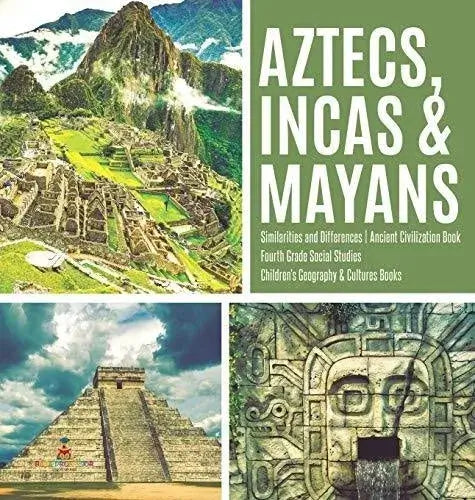
For elementary students, short-term projects should last anywhere from a couple of days to a week. These shorter projects allow students to enjoy quick wins, and they may be best for children with short attention spans. For instance, you might have students build a model of an ancient ruin or make a poster about a historical event.
Extended projects are ones that last for several weeks or even a semester. However, you’ll want to keep the ages and abilities of your students in mind when you plan longer projects. Planning projects that follow a specific unit in your curriculum is a great way to maintain student interest while still allowing them to build on their learning over time.
Doing a deep dive into topics that stimulate your students’ interest is always fun for extended projects. If possible, leave room in your lesson planning for allowing projects that naturally develop in response to student inquiries. Sometimes, spending a few extra hours allowing students to research a social studies topic helps to foster a greater love for learning.
Including both short and long-term projects in your lesson plans makes it possible to give your students the best of both worlds. While they enjoy quick boosts of accomplishment, they’ll also discover the rewards that come from spending time refining a project to the point of completion.
Jumpstart Your Planning With These History, Geography and Civic Project Ideas
Including more project-based learning activities in your lesson plans is easier when you use these ideas to begin planning.
Historical and Cultural Projects
Archaeology digs are always fun, and you can use this activity for students in grade levels ranging from kindergarten through sixth grade. Naturally, you’ll want to choose age-appropriate artifacts for the children to dig up. Rocks and fossils are always fun, but you can also add broken clay pots or toys to give students insight into how real archeologists perform digs to explore ancient cultures.
Dioramas and time capsules are additional projects that you can use for different topics. These projects are great for helping students to recap their knowledge after doing a deep dive into a unit that includes lots of research.
Geography and Civics Projects
Understanding how to read a map is still a core skill for students to learn, even if people tend to use navigation programs now. Making a map of the community helps students develop their skills, and they’ll develop a deeper awareness of the buildings and landmarks in the local area. Alternatively, you could have students create a map of a historical journey to add a touch of geography to their history lesson.
A community heroes project is another idea that you can use throughout elementary school. Young children love learning about firefighters, police officers and other community helpers that they can look forward to becoming one day. Conducting interviews, creating presentations and even dressing up as one are all exciting projects that foster hands-on learning.
Use These Tips for Managing Projects In Classroom and Homeschool Environments
As you may already know, projects can get out of hand if they feel overwhelming. These tips will help your students find success.
- Choose age-appropriate projects
- Create timelines with measurable outputs
- Remind students of upcoming due dates
- Allow for plenty of time in the school day to work
- Offer assistance and resources throughout the study
Know How to Assess Learning Without Excessive Grading
Project-based learning assessments involve more than using the standard grading system. Instead of looking for correct answers, you’ll need to observe how students work to determine if they are learning the targeted concepts. Rubrics are an excellent tool that you can use to identify whether skills are developing, in-progress or need more attention.
Once you’ve gathered information, you can incorporate it into your overall progress reporting. Plus, you’ll be able to quickly tap into the skills the students need to work on and use this information in your future project planning sessions. Remembering that project-based learning is always a work in progress for educators makes it easier to adjust your teaching style to fit your students’ developing abilities.
Incorporating more projects in your lesson plans this year brings learning to life. While planning a project does take more work than your average worksheet, you’ll find that seeing your students thrive is worth the extra effort. Now, all you need to do is begin finding the projects that resonate with your students for an exciting start with more real-life learning experiences.


